
Home maintenance doesn't require extensive work, but it does require consistency. Knowing what to check and how often allows you to prevent breakdowns, reduce unnecessary expenses, and keep your home running efficiently. Below, you'll find the main maintenance tasks, divided by type, with clear instructions on when to perform them.
Check screws, fixings and structures – every 3/6 months
Furniture, shelving, doors, handles, and supports are subjected to constant stress. Regular inspections prevent sudden failures and breakages. Drills, screwdrivers, and hand tools are all you need to quickly restore the stability of your structures.
Check for leaks and seals – every 6 months (immediately if you notice any anomalies)
Faucets, traps, fittings, and joints are critical points. Drops, stains, or damp odors should never be ignored. Remedial action with silicones, sealants, and technical tapes allows you to resolve the problem before it causes more serious damage.
Technical cleaning of internal surfaces – every month
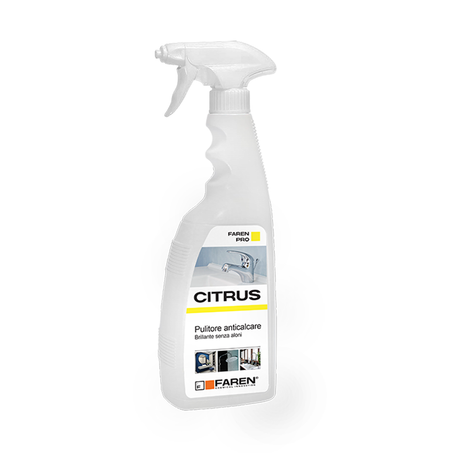
Kitchens, bathrooms, floors, and work surfaces require suitable products to preserve materials and finishes. The use of specific technical detergents improves performance and extends the life of surfaces.
Cleaning and maintenance of outdoor surfaces – every season
Balconies, terraces, driveways, fences, and outdoor paving should be treated at least twice a year, ideally in spring and fall. Pressure washers and specialized detergents can remove dirt, mold, and residue without damaging the surfaces.
Basic electrical system check – once a year
Sockets, plugs, extension cords, switches, and light fixtures must be checked periodically. An annual inspection improves home safety and reduces the risk of malfunctions. Using reliable and certified electrical equipment is essential.
Tool maintenance – every 6/12 months
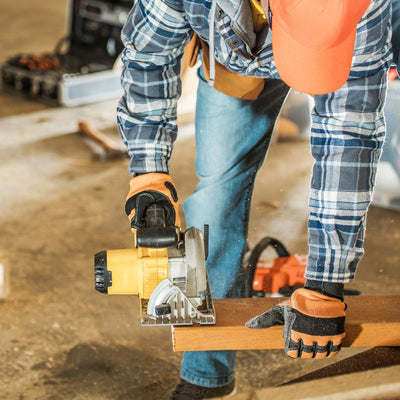
Properly cleaning, inspecting, and storing tools extends their life and ensures consistent performance. It's an often overlooked task, but it's essential for working effectively and safely.
Organization of tools – continuous monitoring
Having the right tools available prevents unexpected interventions. A well-organized basic kit allows you to quickly tackle most routine maintenance tasks.
Home maintenance works when it becomes a habit. Small, scheduled checks help prevent bigger problems and make each intervention simple, quick, and targeted.