In recent years, intercom systems have undergone significant evolution, moving from simple audio devices to advanced access control solutions integrated with digital technologies and remote connectivity.
Today, an intercom or video intercom does more than just manage communication with the outside world, but can become a true central hub for home security and automation.
1. Audio intercom and video intercom: operational differences
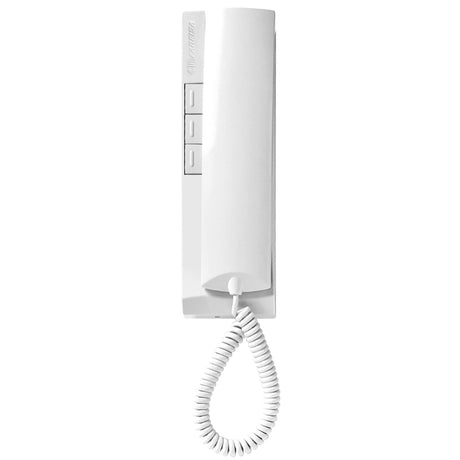
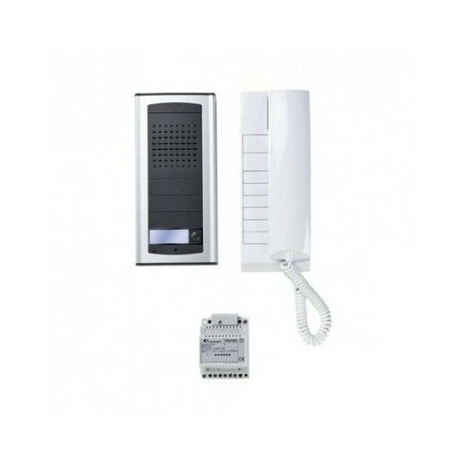
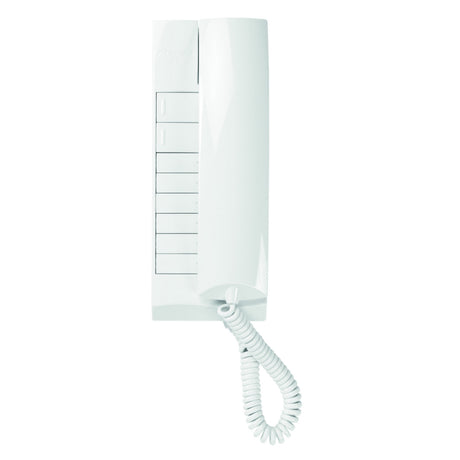
Traditional audio intercom: Designed for voice transmission only, it represents an essential solution for access management. It is compatible with most condominium systems and can be integrated with keypads and electric locks.
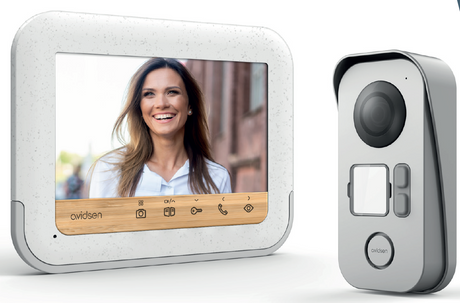
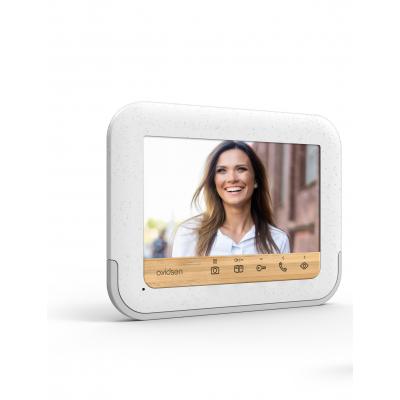
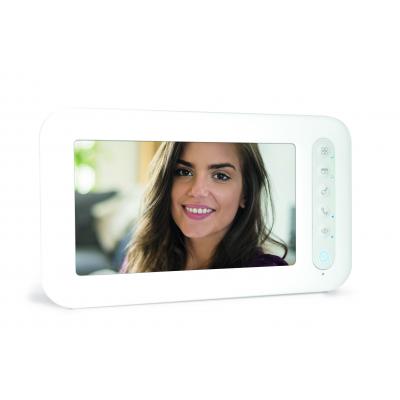
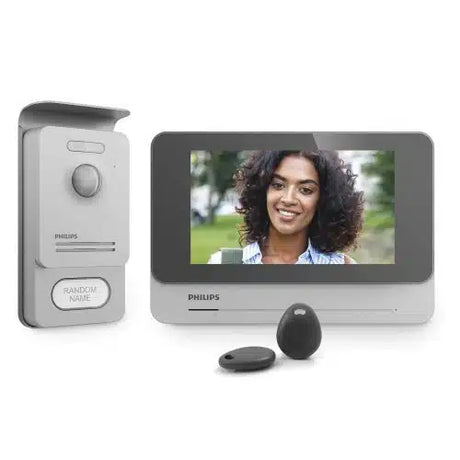
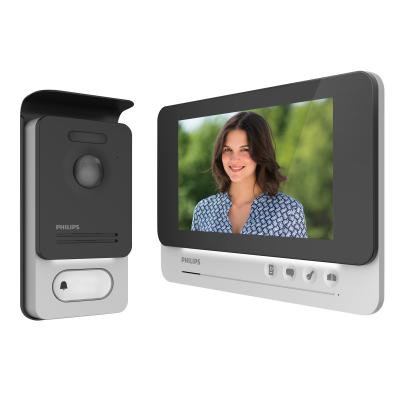
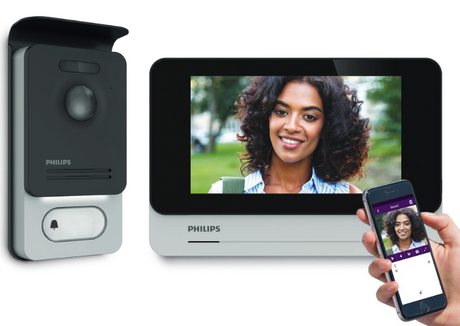
Video intercom: Integrates a camera into the external keypad, allowing visual identification of visitors. In residential settings, it increases security and control, allowing users to verify the identity of those requesting access in real time.
2. Available technologies
Analog systems: Based on traditional wiring, they guarantee reliability and ease of management. They are suitable for installations that do not require integration with smart devices or advanced features.
Digital systems: They offer superior audio-video quality, greater resistance to interference and the possibility of expansion with additional functions such as night vision, photo memories or video recording.
IP/Wi-Fi systems: Connected to your home or business network, they allow remote management and opening via dedicated apps. They support push notifications, live streaming, and integration with home automation systems.
3. Parameters for choosing the system
Building type: condominium installations require compatibility with the existing system, while for detached homes it is possible to adopt completely customized solutions.
Number of internal workstations: consider managing multiple monitors or devices in different environments.
Required features: image recording, night vision, auto-opening, remote connection.
Integration with other systems: alarms, surveillance cameras, gate and door automation systems.
4. Optional components and accessories
Modular keypads: expandable with additional modules (RFID readers, numeric keypads, proximity sensors).
Additional monitors: for management from multiple points of the facility.
Memory unit: for recording videos or images during calls.
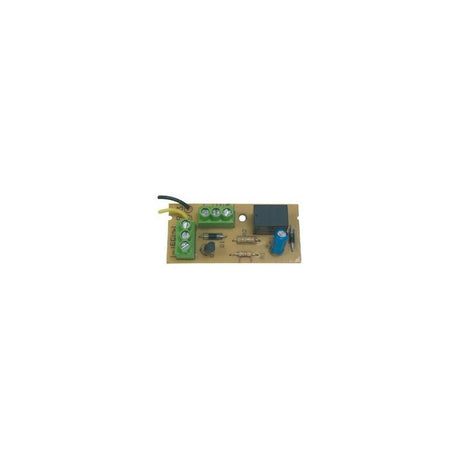
Adaptation kit: for replacing old systems while maintaining part of the existing wiring.
5. Installation and configuration
For basic systems, installation can be performed independently by operators with basic electrical skills. For digital or IP systems, the assistance of a professional installer is recommended, who can ensure: proper wiring and power configuration; setup of network functions and remote access; and integration testing with other security devices.
Conclusion
An intercom or video intercom, if chosen correctly, becomes a fundamental element for security and access management. A preliminary analysis of the system's needs, technical characteristics, and structure allows us to identify the most efficient and reliable solution.
Contact us for a free technical consultation: we'll guide you in selecting the most suitable system and configuring it optimally for your home or business.